
The Children Who Never Arrive
The Lighthouse (Alison Moore Edition)The expectations of motherhood and fatherhood shape both Ester’s marriage and Futh and Angela’s separation, though in sharply different ways.
increasing Bearing strength in each event
 decreasing
Bearing strength in each eventdecreasingEster’s Early Uncertainty
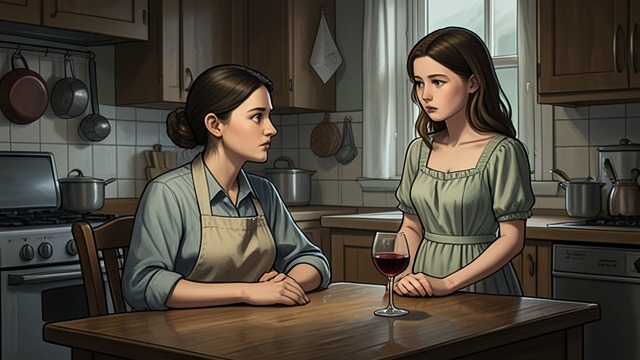
Not Sure About Children
A confession to Ida
Ester tells Ida that she does not know whether she wants children and recalls an earlier pregnancy that she did not continue.
Ida responds that Ester is still young.
An unresolved choice
Their kitchen conversation offers temporary understanding but does not settle Ester’s wishes or future.
It later gives way to pressure from the same woman who once seemed to accept her uncertainty.
Ida’s Expectations
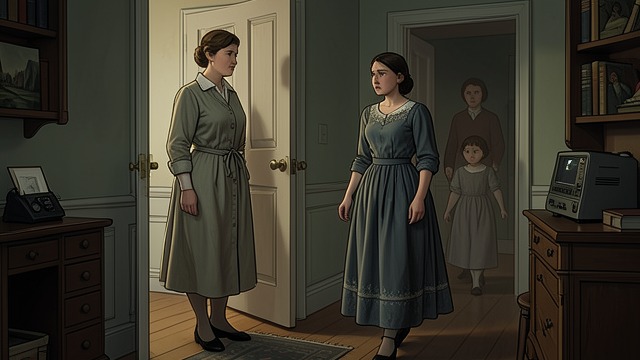
The Grandchildren Question
A repeated demand
Ida asks when she can expect grandchildren and compares Ester with women who already have children.
Ester has previously said that she might not want a family, but Ida treats motherhood as an expectation.
The marriage under pressure
The repeated questions make visits to Bernard’s mother a source of stress for Ester.
Her position in the family is measured against a future she has not chosen.
Angela’s Pregnancies
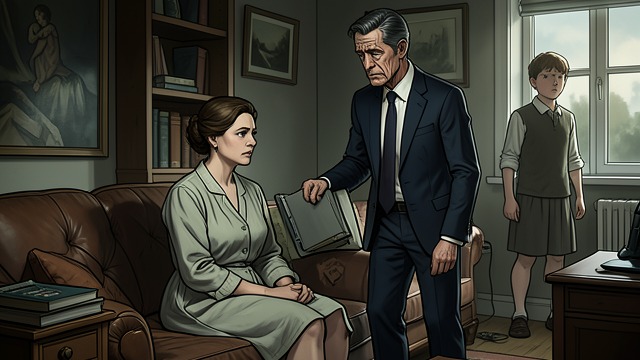
Repeated Hope
Pregnancy and loss
Angela becomes pregnant more than once, but each pregnancy ends in loss.
Futh urges another attempt, and the couple increasingly argue about whether he is rushing her.
Grief without agreement
The repeated losses bring them no shared way to mourn; instead, each aftermath adds resentment.
The hoped-for child becomes a point at which their differing fears and needs collide.
The Last Pregnancy
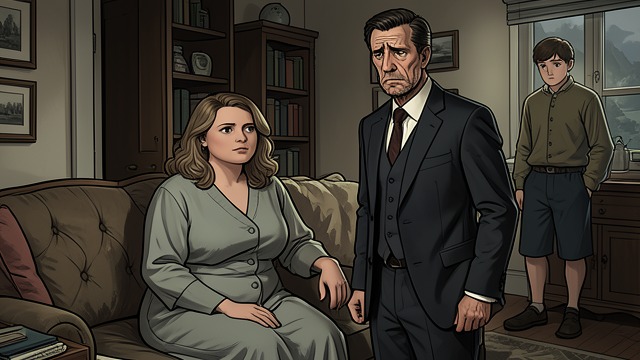
Time Running Out
A final attempt
Angela becomes pregnant for the last time when she is forty-four, after years in which the couple have struggled to conceive and carry a child.
Futh has previously invoked her age as a reason not to delay.
An unresolved aftermath
The pregnancy ends in loss, and their relationship does not recover from the accumulated grief and conflict.
The end of the effort to have a child precedes the end of the marriage.
A Family Without Children
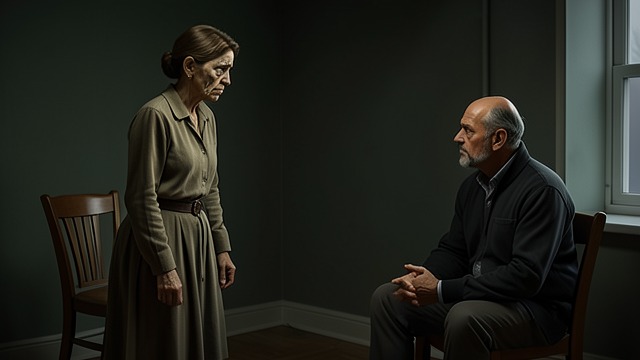
Two Different Absences
Marriage without a child
Futh tells Carl’s mother that he and Angela did not have children. She replies that perhaps that is just as well.
The remark treats the absence as simple when it remains painful and complicated for Futh.
A parallel in Hellhaus
Ester has also lived without children, while Ida repeatedly pressures her to become a mother.
The two marriages reveal different forms of conflict around parenthood, choice and loss.
Before Ester marries Bernard
During the early visits after Ester’s marriage
During Futh and Angela’s marriage
Several months before Futh and Angela separate
During Futh’s walking holiday
